
Search
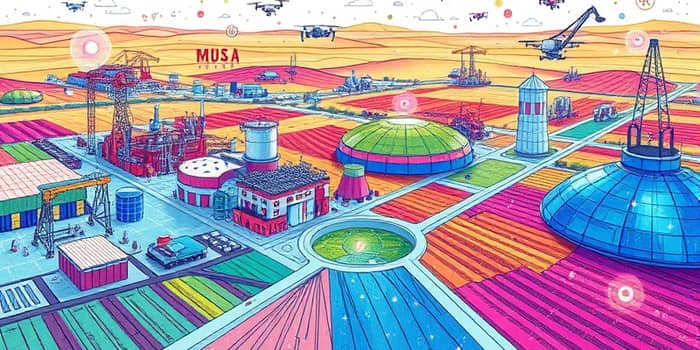
In an era where technology seems to redefine everything, traditional industries are not being left behind.
They are undergoing a silent yet powerful transformation, driven by innovation that goes beyond mere gadgets.
Legacy systems are being reinvented with digital tools, offering new hope for efficiency and sustainability.
This article delves into how sectors like manufacturing and agriculture are embracing change.
We will explore real-world examples, emerging trends, and practical insights to inspire action.
The journey from historical challenges to a future of possibilities is unfolding now.
For decades, traditional industries operated with outdated methods and tools.
Legacy systems often led to high costs, slow processes, and environmental waste.
These inefficiencies created barriers to growth and adaptability in a fast-paced world.
However, the dawn of digital transformation is changing this narrative dramatically.
Innovators are stepping up to bridge the gap between old practices and new technologies.
Across various sectors, companies are proving that innovation is not just for tech giants.
Here are some compelling examples of transformation in action.
Agriculture has seen similar strides with John Deere's precision farming tools.
These technologies boost crop yields by 20% and save significant resources per farm.
In retail, Walmart leverages big data for real-time inventory management.
This approach cuts costs by 15% and enhances customer satisfaction effectively.
These cases show that measurable outcomes are achievable with the right tools.
The future holds even more promise with cutting-edge technologies on the horizon.
Industry 4.0 trends are set to redefine traditional operations by 2026.
These trends highlight a shift towards more intelligent and adaptive systems.
Sustainability and carbon neutrality are becoming core priorities in manufacturing.
Nanomanufacturing and proactive supply chains are also gaining traction.
Embracing these technologies can lead to unprecedented growth and resilience.
Innovation is often driven by agile startups that challenge the status quo.
Here are some key players transforming traditional industries today.
Plenty revolutionizes agriculture with vertical farming systems indoors.
VeChain uses blockchain for supply chain transparency and verification.
These startups demonstrate that small teams can have a massive impact.
They bring fresh ideas and scalable solutions to old problems.
Supporting such innovators can accelerate the pace of change globally.
The success of these innovations is backed by hard data and metrics.
Statistics provide a clear picture of the tangible benefits achieved.
NASA's use of generative design cut mass by 50% and design time by 20%.
These numbers underscore the value of investing in technological upgrades.
Efficiency gains and cost savings are within reach for many.
Adopting similar strategies can lead to competitive advantages in markets.
Despite the progress, significant hurdles remain on the path to innovation.
Legacy systems and data silos often slow down integration efforts.
Cultural shifts within organizations can be difficult to achieve.
However, these challenges are not insurmountable with the right approach.
Focusing on systemic adaptation and employee training is crucial.
Intelligent systems offer resilience against disruptions and uncertainties.
By 2026, rapid adoption of AI and green technologies is expected.
Smart factories and predictive maintenance will dominate industrial landscapes.
Embracing change now can prepare industries for a sustainable future.
The transformation of traditional industries is no longer a distant dream.
It is a reality unfolding with each technological advancement.
From manufacturing to agriculture, innovation is creating new opportunities.
Practical steps and inspired leadership can drive this evolution.
By learning from case studies and adopting emerging trends, sectors can thrive.
The future belongs to those who blend tradition with technology wisely.
Let this article be a catalyst for action and optimism in your journey.
Together, we can build a more efficient and sustainable world for all.
References