Search
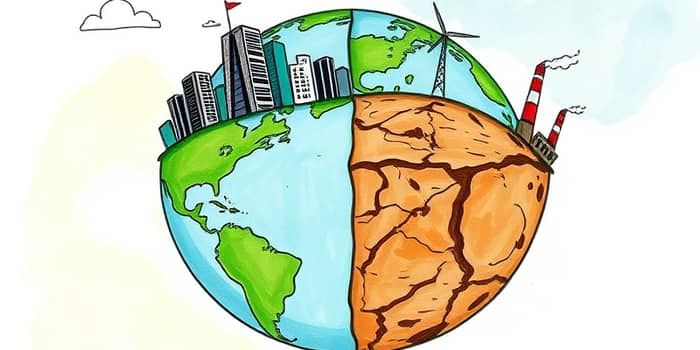
In an era of global interconnectedness, the economic landscape is painted with contrasting hues of growth and stagnation. Prolonged slow growth defines our current trajectory, yet this narrative masks the profound disparities shaping our collective future.
While some regions surge ahead, others grapple with persistent challenges, creating a patchwork of prosperity that demands our attention. Deep-rooted historical legacies continue to influence these divides, reminding us that economics is never just about numbers.
This article explores the uneven recovery, offering insights and practical guidance to navigate these turbulent times. Structural inequalities are widening, making it crucial for policymakers, businesses, and individuals to understand the underlying forces at play.
Global growth is projected at 2.8% in 2025, weakening to 2.7% in 2026 before a modest recovery. This trend reflects a world grappling with multifaceted pressures that test resilience and innovation.
Key structural challenges include high debt levels and subdued investment growth. Geopolitical tensions weigh heavily on fiscal conditions, constraining policy effectiveness across many economies.
Emerging opportunities, such as rapid advances in artificial intelligence, offer hope but also risk exacerbating divides. The potential gains from AI are likely to be unevenly distributed, highlighting the need for inclusive strategies.
Advanced economies show modest gains, with the U.S. projected at 2.0% growth in 2026. However, a softening labor market could dampen momentum, underscoring the importance of adaptive policies.
In contrast, Europe faces a slowdown to 1.3% growth, hampered by competitiveness challenges. Higher U.S. tariffs dampen exports, adding to the region's economic fragility.
Japan's output is expected to expand by only 0.9%, reflecting weaker external conditions. This highlights the vulnerability of economies reliant on global trade dynamics.
Emerging and developing economies present a mixed picture, with South Asia as a bright spot. India leads with resilient consumption driving expansion, but risks persist from debt burdens.
The table below summarizes key regional growth forecasts for 2025 and 2026, based on recent economic reports.
Wealth gaps everywhere are far larger than income gaps, with regions like the Middle East showing extreme disparities. Sub-Saharan Africa faces double burdens of low averages and internal divides, making progress elusive.
Income ratios vary significantly, but wealth divides can exceed 520 to 1 in some areas. This underscores the need for targeted interventions to address root causes.
Historical and cultural factors shape these inequalities, reminding us that economic policies must be context-sensitive. Persistent regional disparities are defining traits of our global economy, requiring holistic approaches.
Policy uncertainty and political polarization test institutions worldwide. Fractured politics shift focus to short-term issues, hampering long-term fiscal recovery and investment.
Trade and tariff headwinds, such as higher U.S. tariffs, affect exports, particularly in Europe. This adds to the complexity of global economic interactions.
Inflation is moderating in many regions, supporting monetary easing, but sticky inflation remains a concern. Balancing these factors is critical for stable growth.
AI serves as a double-edged sword, boosting productivity but increasing resource consumption. Uneven distribution of AI gains risks widening divides, calling for ethical frameworks.
To foster a more equitable recovery, stakeholders must prioritize collaborative efforts. Investing in education and technology can bridge gaps, but it requires sustained commitment.
Targeted fiscal measures and monetary easing have shown promise in some economies. Adapting to trade changes is essential for resilience in a fragmented world.
Embracing AI responsibly can mitigate low growth and population aging. However, regulatory frameworks must evolve to ensure benefits are shared broadly.
Practical steps include enhancing social safety nets and promoting sustainable investment. By addressing debt burdens and climate shocks, regions can build stronger foundations.
In conclusion, the uneven recovery is not just an economic issue but a human one. By understanding these disparities, we can inspire action towards a more balanced and prosperous future for all.
References